Without renewal
EXPIREDTime remaining0time units
Expiry at t = 10
The right keeps its original expiry.

CIRCULA / SNSF RESEARCH PROGRAMME
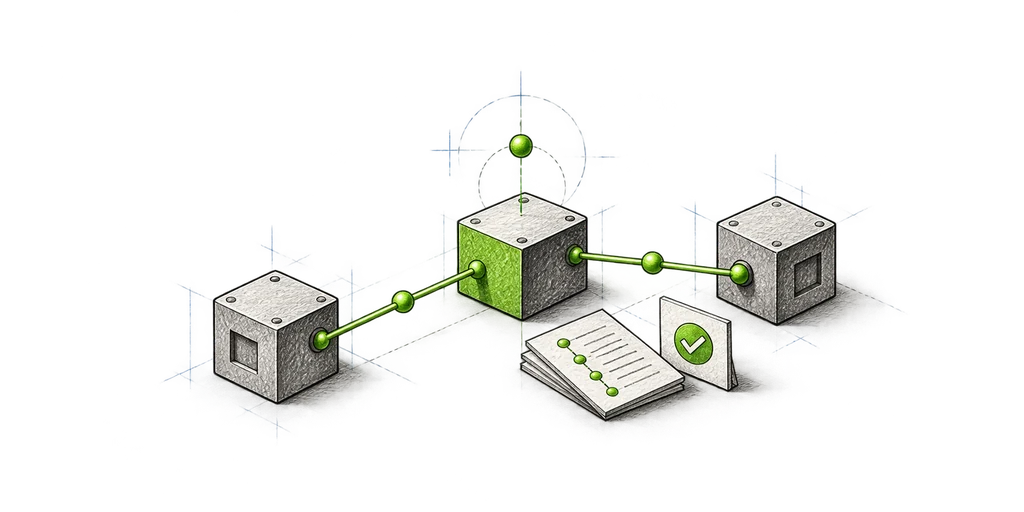
CIRCULA studies how blockchains’ shared state, validation rules and verifiable history provide a programmable environment in which expiry and renewal can be formalised and evaluated. The research programme connects a formal model, an executable ledger prototype and reproducible experiments to study the effects, costs and limits of these mechanisms, including what information, if any, remains useful for verification or recovery after expiry.
EXPLORE EXPIRY
Move time to follow a digital right. Compare its original expiry with a timely or late renewal request.
Expiry at t = 10
The right keeps its original expiry.
Current expiry: t = 16
Accepted at t = 8 · new expiry t = 16
The original right expired at t = 10. The renewed right remains usable until t = 16.
Choose the initial expiry, the request time and the proposed new expiry. Apply the values to update the comparison.
THE IDEAS BEHIND CIRCULA
From distributed systems and blockchain programmability to expiry, renewal and questions about what remains afterwards.
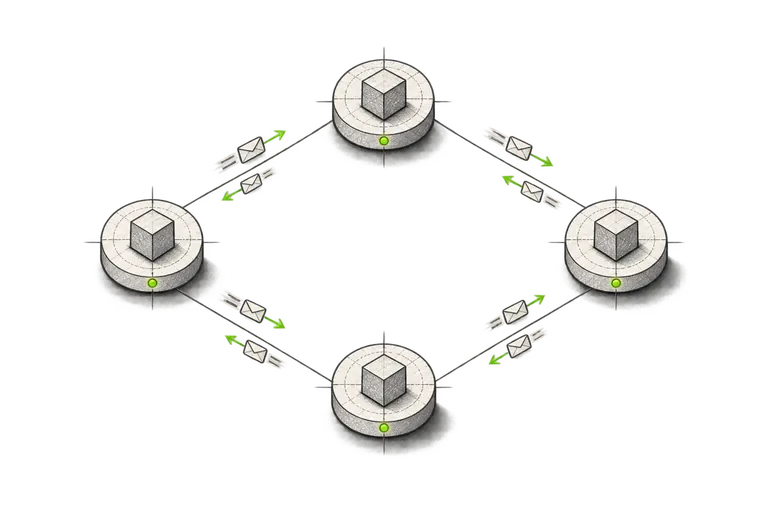
A shared record maintained across multiple network participants, who use agreed rules to validate and synchronize updates.
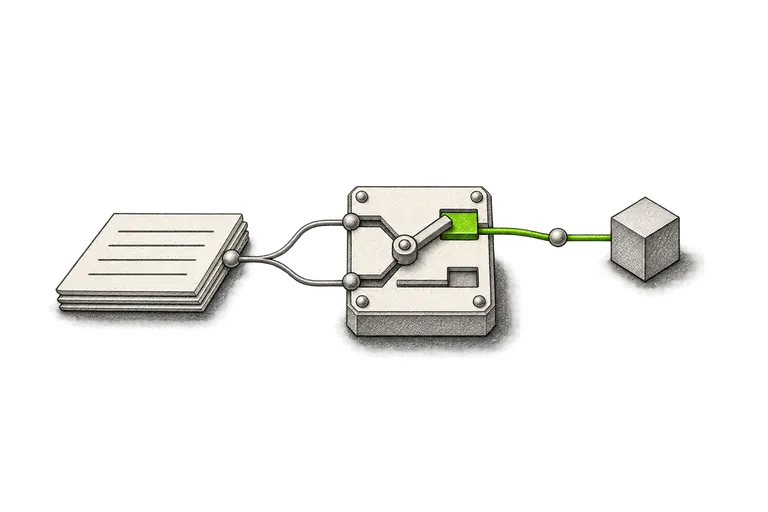
Rules encoded in the protocol or in smart contracts determine how ledger operations are validated and executed. This is the programmable context in which CIRCULA studies expiry.
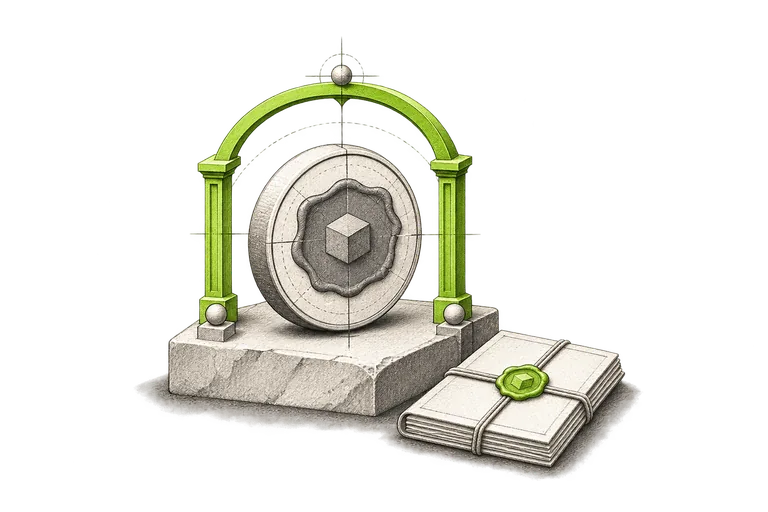
A boundary after which an operation is no longer valid; its records may remain according to the system’s design.
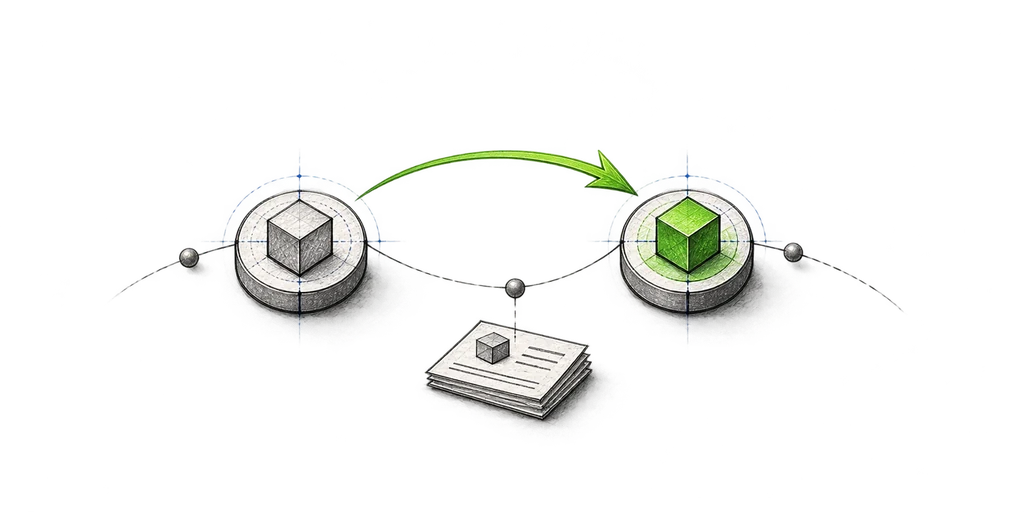
Information that may support understanding or verification after expiry. Its availability and usefulness are research questions.
A distinction that matters – Expiry changes validity; what remains afterwards depends on the system’s design.
THE RESEARCH PROGRAMME
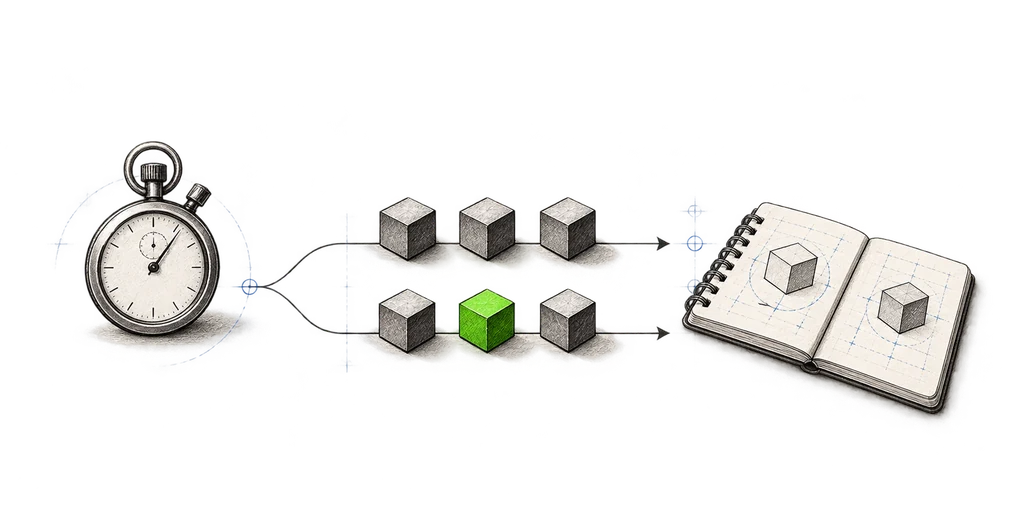
Four connected work packages move from understanding existing lifetime rules to formalising, building and testing expiry-aware ledger designs. Evidence Atlas, Semantic Reference, Proof of Concept and Evaluation Bench each provide an artefact for the next stage.
The stages overlap: evaluation feeds back into the model and prototype, refining assumptions, implementation choices and comparison baselines.
Map existing lifetime mechanisms, their enforcement layers and the evidence needed to compare designs.
Formalise expiry and renewal rules, including assumptions about what information remains after expiry, through a formal model and an executable reference.
Build a ledger prototype and check its behaviour against the selected semantics.
Compare designs under controlled workloads, measuring storage, verification and recovery costs.
SCIENTIFIC LEADERSHIP & COORDINATION
The core team brings together one principal investigator, one postdoc and two PhD researchers, supported by external and international partners.
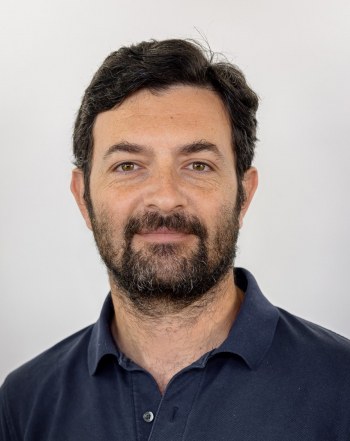
Principal investigator
Université de Neuchâtel · Switzerland
Scientific leadership, institutional coordination and responsibility for the project.

Scientific coordinator
Université de Neuchâtel · Switzerland
Coordinates the scientific roadmap, systems work and reproducible experiments under PI responsibility. Planned postdoc.
External and international partners complement the core team with expertise in formal methods, law, institutions and technology adoption. Their contributions help connect technical models and experiments with questions about auditability, recovery and the conditions in which a design could be used.
OPEN POSITIONS
Two open PhD positions at Université de Neuchâtel contribute complementary research lines: one focuses on blockchain systems and executable semantics; the other on deployability, use cases and quantitative validation. Both work within CIRCULA’s shared programme.
Explore the PhD positionsCOLLABORATE WITH CIRCULA
Universities, research groups, companies and institutions are welcome to propose collaborations, discuss use cases or express interest in CIRCULA. Tell us where your expertise and our research could meet.
Propose a collaborationHOST, PLACE & FUNDING
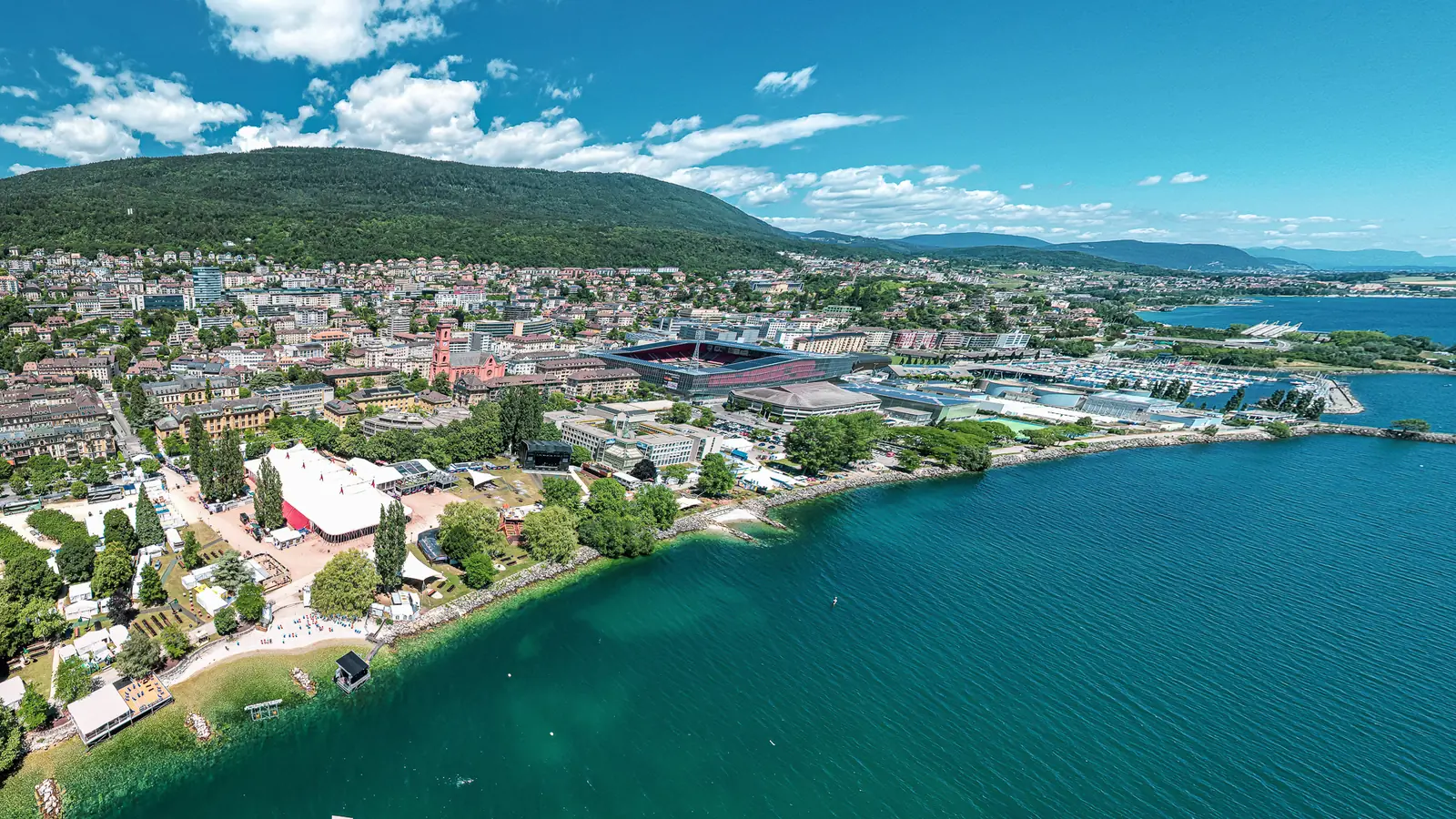
Hosted at Université de Neuchâtel, Switzerland, CIRCULA connects a local research team with international partners through a four-year programme funded by the Swiss National Science Foundation.
Host university

Université de Neuchâtel hosts CIRCULA and provides the institutional home for its principal investigator, postdoc and PhD researchers. This shared setting supports a programme combining formal methods, systems development and reproducible evaluation.
Based in Neuchâtel, Switzerland, the team works with external and international research partners. This local base supports a programme open to academic collaboration and exchanges with companies and institutions.
Research funding
Switzerland’s national research funding organisation, supporting research across all academic disciplines.
Swiss National Science Foundation · Project Funding · Grant 10010141.
Grant 10010141